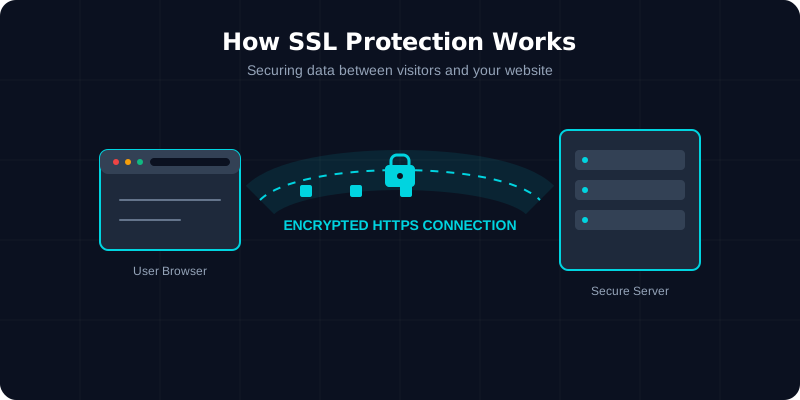
How it Works
When someone visits your website, the SSL certificate performs a digital “handshake” automatically:
- Verification: The visitor’s browser checks that your SSL certificate is valid and trusted.
- Encryption: Once verified, an encrypted connection is established.
- Secure Communication: All data exchanged is protected and unreadable to anyone trying to intercept it.
https:// protocol instead of http://.
Why SSL Certificates Matter
SSL certificates have evolved from a luxury for banking sites to a requirement for every website on the internet.
1. Security Protection
The primary job of SSL is to encrypt sensitive information like passwords, payment details, and personal data. Without encryption, this data is sent as plain text and can be intercepted by hackers.
2. Trust and Credibility
Seeing the padlock icon gives visitors confidence. Modern browsers like Chrome and Firefox now mark any site without SSL as "Not Secure," which can scare away up to 85% of potential visitors.
3. Search Engine Benefits
Google confirms that SSL is a ranking factor. Sites with HTTPS get a slight SEO boost over those that don't, helping you rank higher in search results.
What SSL Certificates Protect
- Login credentials and passwords
- Personal information in contact forms
- Credit card and payment details
- Browsing behavior and session data
- Email addresses and phone numbers