How Wildcard SSL Works
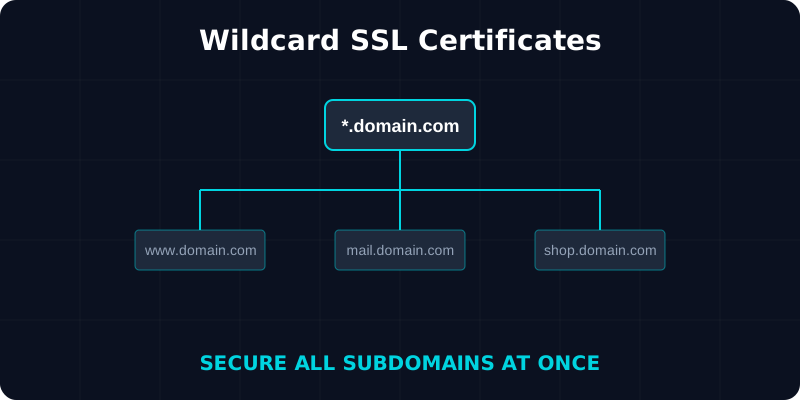
Wildcard certificates use an asterisk (*) in the Common Name (CN) field to represent all potential first-level subdomains. For example, a Wildcard certificate for `*.example.com` will secure:
- `www.example.com`
- `mail.example.com`
- `shop.example.com`
- `blog.example.com`
- And any other first-level subdomain.
New subdomains created later are automatically covered by the existing certificate, provided they are first-level subdomains.
Important Note: Wildcard certificates typically only cover first-level subdomains. For example, a certificate for `*.example.com` will NOT secure `secure.shop.example.com`. To secure multiple levels, you would need a Multi-Domain (SAN) certificate or individual certificates for each subdomain.
Available Validation Types
Wildcard SSL certificates are available in different validation levels:
- DV (Domain Validated): Fast and affordable, verifies only domain ownership.
- OV (Organization Validated): Offers higher trust by verifying the organization's identity in addition to domain control.
EV Wildcard certificates are generally not offered by Certificate Authorities due to the complexity of validating an unlimited number of potential subdomains under an organization.
Best Use Cases
Wildcard SSL is perfect for:
- Organizations managing multiple subdomains (e.g., `blog.company.com`, `shop.company.com`, `support.company.com`).
- SaaS providers who offer services on various subdomains.
- Businesses that frequently add new subdomains.
- Development and staging environments that use subdomains.
Benefits
- Cost-Effective: Often cheaper than buying individual certificates for each subdomain.
- Simplified Management: Only one certificate to install, renew, and manage.
- Automatic Coverage: New first-level subdomains are secured instantly.
Limitations
- First-Level Only: Does not cover second or third-level subdomains (e.g., `*.sub.example.com`).
- No EV Option: Typically not available with Extended Validation.
- Single Point of Failure: If the private key is compromised, all secured subdomains are at risk.